
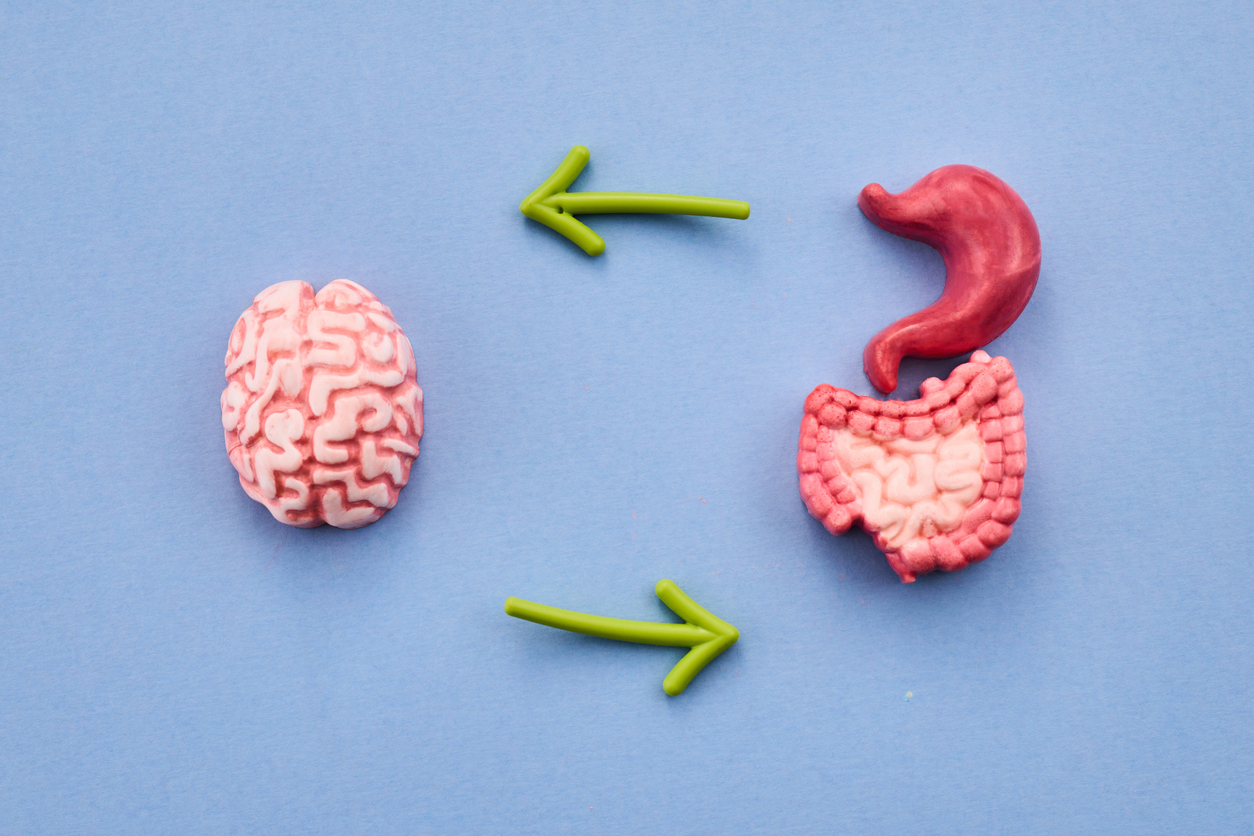
Could your gut be influencing what you crave — and even steering you away from sugar when your body needs protein?
New research is adding another fascinating layer to the rapidly evolving science of the gut-brain axis, suggesting that the gut may actively communicate nutrient needs to the brain and shape food preferences accordingly.
The findings strengthen growing evidence that food cravings may not simply be driven by habit, emotions, or lack of willpower, but could also reflect highly sophisticated biological signalling systems designed to maintain nutritional balance.
As scientists continue uncovering how the gut and brain communicate, the implications could reshape the future of nutrition science, personalised diets, appetite management, and functional food innovation.
The Gut-Brain Axis: More Than Digestion
The gut-brain axis refers to the complex, two-way communication network linking the gastrointestinal system and the brain.
This communication occurs through multiple pathways, including:
- Neural signalling
- Hormones
- Immune responses
- Gut microbial metabolites
- Neurotransmitter production
Increasingly, scientists believe that the gut microbiome plays a major role in this system, influencing mood, cognition, appetite, stress responses, and eating behaviour. Researchers have already linked disruptions in gut-brain communication with conditions including:
- Obesity
- Irritable bowel syndrome (IBS)
- Anxiety and depression
- Eating disorders
- Functional gastrointestinal disorders
- Altered appetite regulation
But the latest findings suggest the gut may also play a direct role in nutrient-specific cravings.
A New Discovery: How the Gut Detects Nutrient Deficiency
In the newly published study, researchers identified a gut-brain signalling mechanism that appears to help organisms detect protein deficiency and rapidly adjust feeding behaviour accordingly. The researchers discovered that when dietary protein levels were insufficient, specialised intestinal cells released signals that communicated directly with the brain.
Remarkably, this did not simply increase overall hunger. Instead, it selectively shifted food preferences toward protein-related nutrients while reducing interest in sugar-rich foods. The study suggests that the body may possess highly targeted biological systems designed to prioritise specific nutrients when deficiencies occur.
Scientists involved in the research described the gut as an “active sensory system” continuously monitoring nutritional status and influencing behavioural decisions. Although much of the early mechanistic work was conducted in animal models, researchers also observed similar protein-seeking responses in mice, suggesting the pathways may be evolutionarily conserved across species.
Beyond Hunger: Rethinking Food Cravings
Traditionally, food cravings have often been framed through psychological or behavioural lenses — stress eating, emotional eating, habit formation, or reward-driven behaviour. However, gut-brain research increasingly suggests that biology may play a much larger role than previously appreciated.
Scientists now believe that:
- Gut microbes can influence neurotransmitter activity
- Nutrient availability may alter appetite signalling
- Stress can disrupt gut-brain communication
- Gut-derived signals may influence food reward pathways
Some studies suggest that disruptions in the gut-brain-microbiome system may even increase cravings for calorie-dense foods through stress-related hormonal pathways. This emerging science is helping reshape conversations around appetite control, obesity, eating behaviours, and metabolic health.
The Rise of “Nutritional Neuroscience”
The growing intersection between nutrition, microbiome science, neuroscience, and mental wellbeing is giving rise to a rapidly expanding field often referred to as nutritional neuroscience.
Researchers are increasingly investigating how:
- Dietary patterns influence brain health
- Gut bacteria produce neurotransmitter-related compounds
- Prebiotics and probiotics affect mood and cognition
- Nutrients shape gut-brain signalling pathways
This has accelerated interest in areas such as:
- Precision nutrition
- Personalised dietary interventions
- Psychobiotics
- Functional foods targeting mood and cognition
- Gut-friendly dietary strategies
At the same time, scientists caution that the field remains complex and still evolving. Many mechanisms remain poorly understood, and translating findings into practical consumer solutions will require much more human research.
What Could This Mean for the Food Industry?
The growing understanding of gut-brain communication is creating new opportunities — and challenges — for the food and nutrition industry.
Interest is rapidly expanding around products and ingredients positioned to support:
- Gut health
- Mood and emotional wellbeing
- Cognitive performance
- Satiety and appetite regulation
- Personalised nutrition
- Microbiome modulation
This is already fuelling innovation across categories including:
- Functional beverages
- Fermented foods
- Fibre-enriched products
- Prebiotic and probiotic solutions
- Synbiotics
- Brain-health nutrition platforms
At the same time, the science raises important questions around responsible communication. As consumer fascination with the microbiome and “food as medicine” grows, companies will likely face increasing scrutiny around scientific substantiation, claims credibility, and evidence quality. The challenge for industry will be balancing exciting innovation opportunities with realistic, evidence-based messaging.
Nutricomms Perspective: The Future of Nutrition May Be More Personal Than Ever
The latest gut-brain findings reinforce a broader shift taking place across nutrition science: food is no longer being viewed solely as fuel or nutrient delivery, but as part of a dynamic biological communication system influencing multiple aspects of human health and behaviour.
While much remains to be understood, the emerging science of gut-brain communication could fundamentally reshape how we think about appetite, cravings, wellbeing, and personalised nutrition in the years ahead.
For consumers, this may eventually mean more tailored nutritional strategies based on individual biology and microbiome responses.
For industry, it signals growing demand for products that support not just physical health, but also cognitive, emotional, and metabolic wellbeing.
And for nutrition science itself, the message is becoming increasingly clear: the gut and brain may be far more connected than we ever imagined.
Read more about the specific study:
