
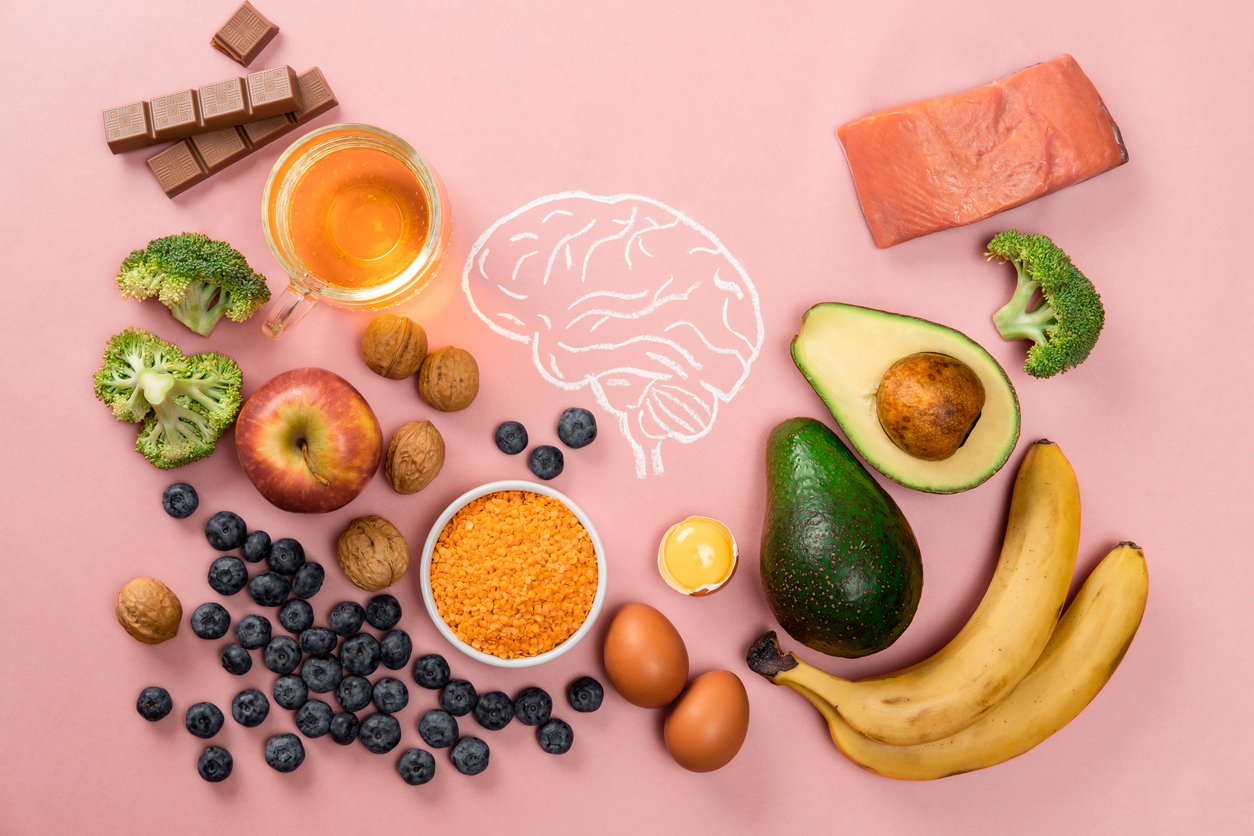
Protein, fibre, gut health, GLP-1 nutrition, personalised wellness — nutrition trends continue to evolve at remarkable speed. Yet one nutrient is quietly re-emerging in scientific discussions around brain health, cognitive ageing, metabolic wellbeing, and even mental health: choline.
Long overlooked in mainstream nutrition conversations, choline is now attracting growing scientific and industry attention following a wave of new research linking low choline status with cognitive decline, anxiety disorders, metabolic dysfunction, and neurological health outcomes.
For the food and beverage industry, this raises an important question: could choline become one of the next major functional nutrition opportunities?
Why Choline Matters
Choline is an essential nutrient involved in several critical physiological functions, including:
- Brain and nervous system function
- Neurotransmitter production
- Liver health
- Cell membrane integrity
- Fat metabolism
- Cognitive performance
One of its most important roles is supporting the production of acetylcholine, a neurotransmitter involved in memory, learning, attention, and muscle control. Despite its importance, research suggests many populations may not achieve recommended intakes through diet alone.
New Research Is Expanding the Conversation
Much of the recent interest in choline stems from emerging neuroscience and cognitive health research. A recent study highlighted by ScienceDaily reported that individuals with anxiety disorders showed significantly lower choline levels in brain regions involved in emotional regulation and stress response.
While researchers stress that the findings do not prove causation or establish choline as a treatment for anxiety, the study adds to growing interest in the relationship between nutrition, brain chemistry, and mental wellbeing. At the same time, other recent studies have linked higher choline intake — particularly from eggs — with lower Alzheimer’s disease risk and better cognitive ageing outcomes.
Together, these findings are helping reposition choline within broader conversations around:
- Healthy ageing
- Brain health
- Preventive nutrition
- Cognitive performance
- Emotional wellbeing
- Maternal and early-life nutrition
The Brain Health Market Is Expanding Rapidly
The renewed focus on choline also aligns with one of the fastest-growing areas in health and wellness: brain health. Consumers are increasingly looking beyond traditional physical health metrics toward:
- Cognitive performance
- Focus and productivity
- Mental resilience
- Emotional wellbeing
- Healthy ageing
- Dementia prevention
This is creating growing demand for “brain-supportive” nutrition solutions across supplements, beverages, dairy, snacks, functional foods, and healthy ageing platforms. Importantly, consumers are also becoming more familiar with the concept of the gut-brain axis, creating broader interest in nutrition’s role in mood, cognition, and mental wellbeing.
Eggs Are Re-entering the Brain Health Conversation
One particularly interesting shift is the evolving perception of eggs.
For years, eggs were often viewed through the narrow lens of cholesterol discussions. Today, they are increasingly being repositioned as nutrient-dense foods rich in:
- Choline
- Protein
- Omega-3 fatty acids
- Lutein and zeaxanthin
- Phospholipids
Recent studies suggest moderate egg consumption may be associated with lower Alzheimer’s risk, with researchers highlighting choline as one potential contributing factor. This reflects a broader industry trend toward “positive nutrition” — focusing less on nutrient avoidance and more on foods that actively support wellbeing.
Beyond Supplements: A Food Innovation Opportunity
While choline supplements are already well established in prenatal nutrition and nootropic categories, the bigger opportunity may lie within mainstream food and beverage innovation.
Potential future areas of development could include:
- Brain health beverages
- Cognitive wellness snacks
- Healthy ageing nutrition platforms
- Functional dairy products
- Maternal nutrition solutions
- Personalised wellness products
- Mood and focus-supportive formulations
Importantly, choline also fits well within several converging macro trends:
- Preventive health
- Longevity nutrition
- Women’s health
- Mental wellbeing
- Healthy ageing
- Nutrient density
- Everyday functional nutrition
But Challenges Remain
Despite growing scientific interest, choline still faces several barriers before becoming a mainstream consumer-facing nutrient. Consumer awareness remains relatively low compared with nutrients such as protein, fibre, magnesium, or omega-3s. In addition, many consumers may not recognise major dietary sources of choline or understand its physiological role.
There are also important scientific nuances:
- Much of the current evidence remains observational
- Optimal intake levels continue to be debated
- Individual requirements may vary depending on genetics, age, sex, and life stage
- More human intervention research is still needed
Experts also caution against oversimplifying early findings or positioning single nutrients as “miracle” solutions for complex neurological conditions.
A Broader Shift Toward Cognitive Nutrition
Perhaps the most important takeaway is that choline reflects a wider transformation happening within nutrition science itself. The next wave of functional nutrition may increasingly focus not only on physical health, but also on:
- Cognitive resilience
- Mental wellbeing
- Brain ageing
- Emotional health
- Productivity and focus
- Neuroprotection
This represents a major strategic opportunity for the food and beverage industry — particularly as consumers seek more proactive, lifestyle-integrated approaches to long-term wellbeing.
Final Thoughts
Choline may once have been considered a niche nutrient primarily associated with prenatal health. Today, it is increasingly entering mainstream conversations around brain function, mental wellbeing, and healthy ageing.
While the science is still evolving, the renewed interest in choline highlights a broader industry shift toward cognitive nutrition and preventive wellness.
For food and beverage companies, the opportunity may not simply be adding another ingredient claim. It may be understanding how the future of nutrition is expanding beyond calories and macronutrients toward a more holistic vision of human performance, resilience, and long-term brain health.
Read more about the study:
- https://www.sciencedaily.com/releases/2026/05/260515234759.htm
- Richard J. Maddock, Jason Smucny. Transdiagnostic reduction in cortical choline-containing compounds in anxiety disorders: a 1H-magnetic resonance spectroscopy meta-analysis. Molecular Psychiatry, 2025; 30 (12): 6020 DOI: 10.1038/s41380-025-03206-7
