
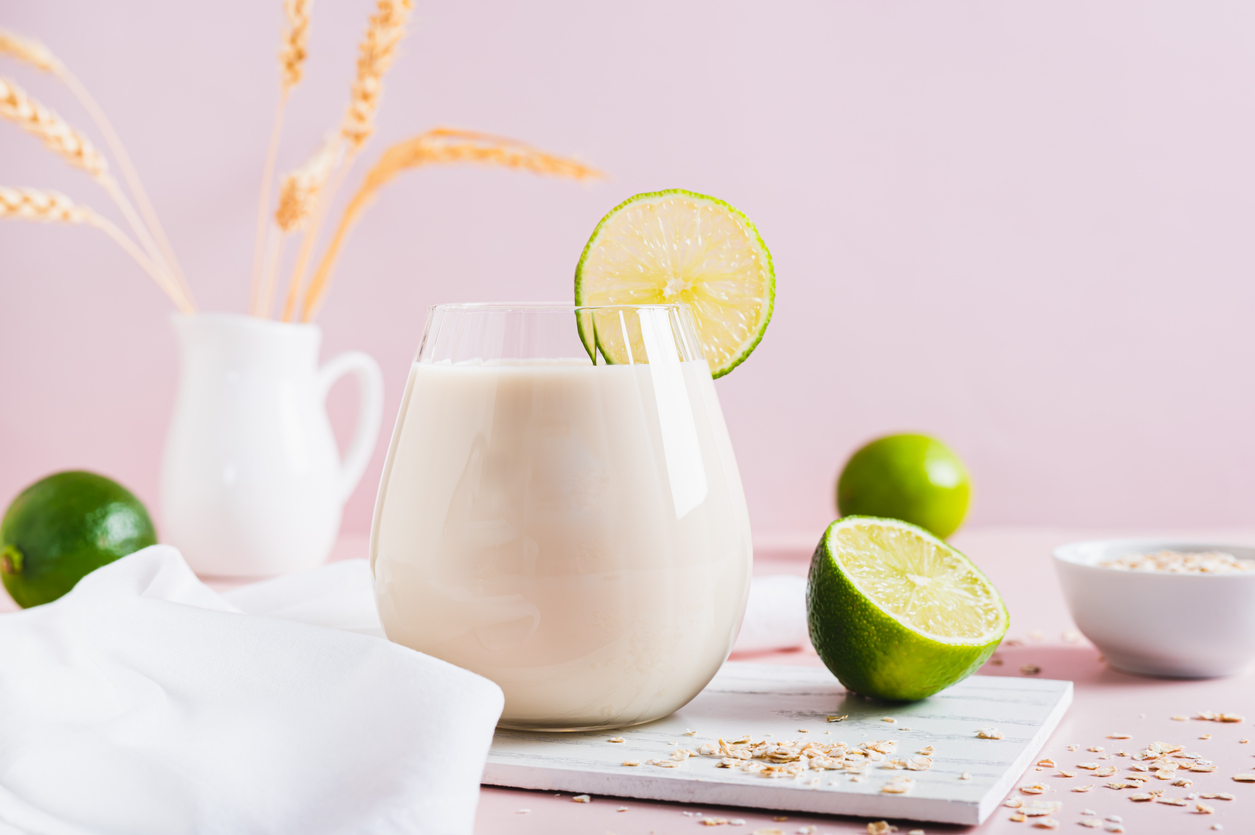
As GLP-1 medications such as Ozempic continue to reshape conversations around weight management, social media has responded with a wave of “natural alternatives” and imitation diet trends. One of the latest examples is “Oatzempic” — a viral oat-based drink promoted online as a low-cost, natural version of Ozempic.
But while the trend has generated millions of views across TikTok and Instagram, nutrition experts warn that the science behind the claims is far more complex.
What Is Oatzempic?
“Oatzempic” typically consists of blended oats, water, and lime juice. Supporters claim the drink can reduce appetite and support weight loss due to its fibre content and filling effect.
The trend reflects growing consumer interest in:
- Appetite control
- Affordable wellness solutions
- “Natural” weight-management approaches
- Fibre and gut health
- Alternatives to weight-loss medications
However, experts stress that Oatzempic does not work like GLP-1 medications such as Ozempic.
Why Oats May Help With Fullness
Oats contain beta-glucan, a soluble fibre associated with increased satiety, digestive health, and cholesterol management. Fibre-rich foods can help slow digestion and contribute to feelings of fullness, which may indirectly support healthier eating behaviours. But while oats can absolutely support a balanced diet, there is currently no scientific evidence showing that “Oatzempic” itself functions as a clinically effective weight-loss intervention. Any weight loss associated with the trend is more likely linked to reduced calorie intake rather than a medication-like effect.
The Bigger Conversation Around GLP-1s and Nutrition
Interestingly, the Oatzempic trend also highlights how GLP-1 medications are beginning to influence broader food and nutrition conversations. As the number of people using GLP-1 medications grows globally, experts increasingly emphasise that nutrition quality still matters — even when appetite is reduced.
Emerging discussions around “Ozempic diets” focus less on restriction and more on maintaining nutritional adequacy while eating smaller quantities of food. Key priorities increasingly include:
- Adequate protein intake
- Fibre-rich foods
- Nutrient density
- Hydration
- Resistance training to preserve muscle mass
This is particularly important because rapid weight loss — including weight loss linked to GLP-1 medications — may also increase the risk of lean muscle loss if nutritional intake is not carefully managed.
From Weight Loss to Nutrient Density
The growing influence of GLP-1 medications is already beginning to reshape food innovation strategies. Some food manufacturers and retailers are now developing “nutrient-dense” products specifically targeted toward consumers eating less while prioritising protein, fibre, and micronutrient intake.
This may signal a broader shift in nutrition and wellness trends:
- From calorie-focused dieting
- Toward nutrient density and functional nutrition
- From restriction narratives
- Toward satiety, balance, and nutritional quality
The Risk of Oversimplified Wellness Messaging
The popularity of Oatzempic also reflects a wider challenge within modern nutrition communication: the rapid spread of simplified wellness narratives through social media.
Positioning a simple oat drink as a substitute for medical treatment risks creating confusion around both obesity and nutrition science. Experts continue to stress that sustainable health outcomes still depend on broader lifestyle patterns including balanced nutrition, physical activity, sleep, stress management, and long-term behavioural change.
Final Thoughts
There is nothing inherently wrong with oats. In fact, oats remain one of the most accessible and evidence-supported fibre-rich foods available.
But “Oatzempic” is not a miracle solution — nor a natural equivalent to GLP-1 medications.
What the trend does reveal, however, is a growing consumer appetite for conversations around satiety, metabolic health, nutrient density, and realistic wellbeing. For nutrition communicators and the food industry alike, this presents an important opportunity to shift the discussion from viral “hacks” toward evidence-based, sustainable nutrition strategies.
