
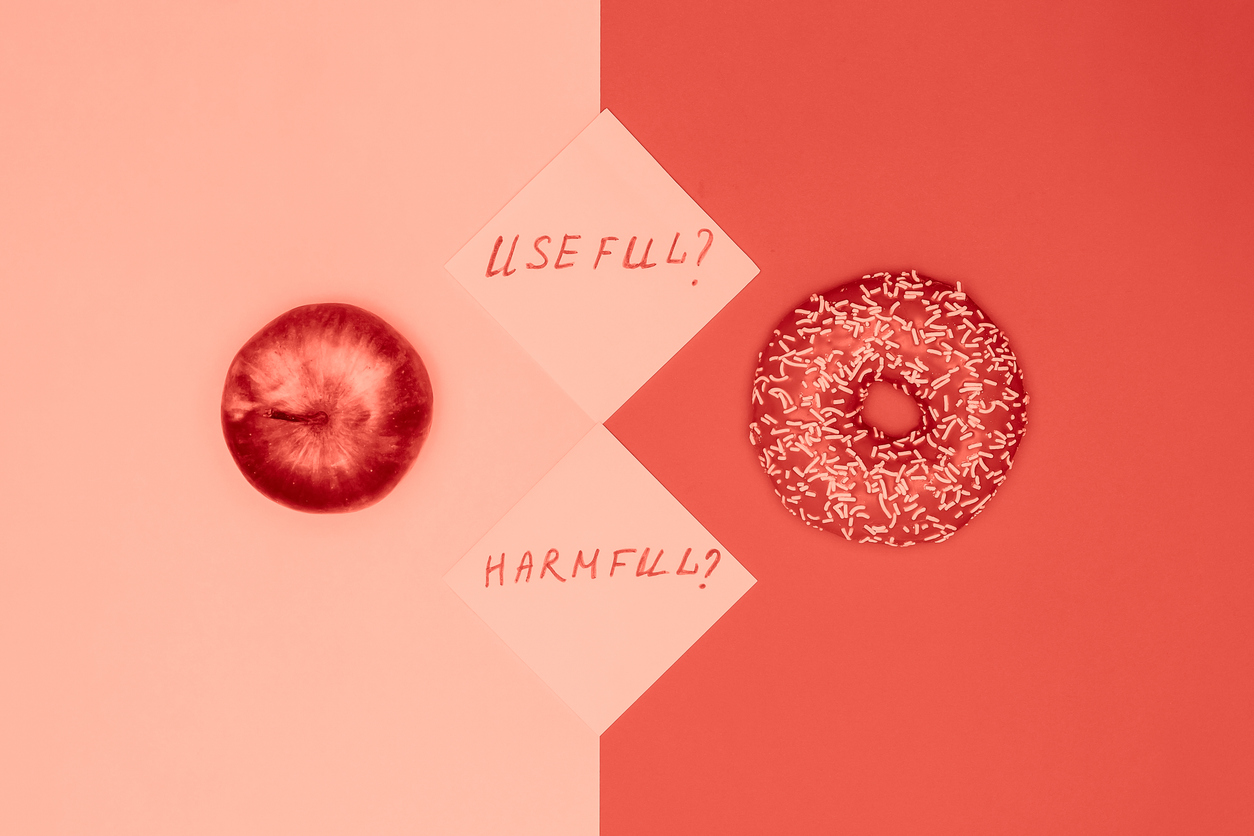
The conversation around ultra-processed foods (UPFs) continues to dominate headlines, policy discussions, and social media debates. Yet as the debate intensifies, so too does the need for greater scientific nuance.
A new report (May 2026) from the British Nutrition Foundation (BNF) — Beyond Ultra-Processed Foods — calls for a more balanced, evidence-based approach to evaluating foods, moving beyond simplistic classifications and refocusing attention on nutritional quality, dietary patterns, and public health outcomes.
For the food and beverage industry, the report arrives at a pivotal moment.
Consumers are increasingly questioning ingredients, processing methods, and “clean label” claims. Policymakers are exploring how UPFs may shape future dietary guidelines. Meanwhile, brands face mounting pressure to deliver products that combine health, convenience, affordability, sustainability, and enjoyment.
The message emerging from the BNF report is clear: the future conversation around food cannot be reduced to a single label.
Moving Beyond Simplistic Labels
The term “ultra-processed food” has rapidly become shorthand for “unhealthy” in many public discussions. But according to the BNF report, the reality is considerably more complex.
The widely used NOVA classification system groups foods according to the extent and purpose of processing rather than nutritional composition alone. This means nutritionally diverse foods can often end up within the same category.
For example:
- Sugary confectionery products;
- Wholegrain breakfast cereals;
- Fortified plant-based drinks;
- High-fibre breads;
- Flavoured yoghurts;
- Meat alternatives;
- Sports nutrition products;
may all technically fall under the UPF umbrella despite offering very different nutritional contributions. This is where the debate becomes increasingly problematic. The BNF report reinforces the idea that focusing solely on processing risks overlooking what really matters:
- Nutrient density;
- Fibre content;
- Micronutrient contribution;
- Portion size;
- Overall dietary patterns;
- Frequency of consumption.
In other words, a product’s health impact cannot always be predicted simply by how “processed” it is.
The Science: Strong Associations, But Still Important Questions
There is now substantial evidence linking high UPF consumption with poorer health outcomes, including obesity, cardiovascular disease, type 2 diabetes, and certain cancers.
Large observational studies and umbrella reviews continue to report consistent associations between higher UPF intake and increased health risks. However, the BNF report also highlights an important scientific caveat that is often lost in public conversations: association does not automatically equal causation.
Many studies cannot fully separate the effects of processing itself from other lifestyle and dietary factors, including:
- Excess calorie intake;
- High sugar, fat, and salt levels;
- Low fibre intake;
- Sedentary lifestyles;
- Socioeconomic inequalities;
- Limited access to healthier foods.
This distinction matters enormously for both policymakers and industry stakeholders. Because while some UPFs may contribute to unhealthy dietary patterns, it remains unclear whether processing alone is the primary driver of adverse health outcomes.
The scientific conversation is therefore evolving from:“Are all UPFs harmful?”
to:
“Which types of processing, ingredients, formulations, and eating behaviours may contribute to health risks?”That is a far more sophisticated — and necessary — discussion.
Why This Matters for the Food Industry
The BNF report is not a defence of unhealthy products. Rather, it is a call for smarter nutrition conversations — and this has major implications for the future of food innovation.
1. Nutritional Quality Is Regaining Importance
The report signals a potential shift away from binary “processed vs unprocessed” thinking toward broader assessments of nutritional value and dietary contribution. This could benefit categories that have often been caught in the crossfire of UPF narratives despite providing meaningful nutritional benefits, including:
- Wholegrain products;
- Fortified foods;
- Functional dairy;
- Plant-based alternatives;
- Convenient healthy meal solutions;
- High-fibre or reduced-sugar reformulations.
Consumers are increasingly interested in:
- Positive nutrition;
- Protein quality;
- Gut health;
- Functional ingredients;
- Satiety;
- Healthy ageing;
- Blood sugar support.
This creates opportunities for brands that can demonstrate meaningful nutritional value — even within processed or convenience-led categories. The future winners may not necessarily be the least processed products.
They may instead be the products that best combine:
- Convenience;
- Nutritional quality;
- Affordability;
- Sustainability;
- Enjoyment;
- Scientific credibility.
2. Reformulation Remains Central
Although the report calls for nuance, it does not dismiss legitimate concerns surrounding many highly processed foods.
Products high in:
- Free sugars;
- Saturated fats;
- Sodium;
- Energy density;
will continue facing scrutiny regardless of processing definitions.
As a result, the direction of travel for industry remains clear:
- Reduce sugar, salt, and saturated fat;
- Increase fibre and nutrient density;
- Improve portion control;
- Support healthier dietary patterns;
- Enhance transparency and trust.
The focus is increasingly shifting from “less processed” to “better processed.”
3. Communication Has Become a Strategic Challenge
One of the most significant challenges facing brands today is no longer simply formulation — it is communication.
Consumers increasingly associate “processed” with:
- Artificiality;
- Chemicals;
- Industrial manufacturing;
- Poor health;
- Lack of trust.
Yet modern food systems rely heavily on processing to ensure:
- Food safety;
- Shelf-life stability;
- Affordability;
- Accessibility;
- Nutrient fortification;
- Reduced food waste.
This creates a growing disconnect between scientific reality and consumer perception. For industry, the challenge is no longer simply making healthier products. It is explaining food science in ways consumers can understand, trust, and relate to.
The Risk of Oversimplification
One of the strongest themes emerging from the BNF report is the danger of oversimplified nutrition messaging.
If all processed foods are portrayed negatively, there is a risk of:
- Confusing consumers;
- Demonising affordable and convenient foods;
- Undermining food accessibility;
- Increasing food anxiety;
- Creating unintended nutritional consequences;
- Widening health inequalities.
This is particularly important because many healthier dietary patterns still depend on some level of processing. Frozen vegetables, fortified cereals, yoghurts, canned beans, wholegrain breads, plant-based alternatives, and functional foods all play practical roles in modern nutrition and public health strategies.
The reality is that consumers do not eat processing categories.
- They eat breakfasts before work.
- Lunches between meetings.
- Convenience meals after long commutes.
- Snacks during stressful days.
- Family dinners on limited budgets.
The future of nutrition policy — and food innovation — must reflect those real-world eating behaviours.
What Comes Next?
The UPF debate is unlikely to disappear anytime soon. In fact, scrutiny may intensify as governments, researchers, and health organisations continue exploring how food processing should feature in future dietary guidance. At the same time, the science itself is evolving rapidly.
Future research is expected to explore:
- Food matrix effects;
- Additives and emulsifiers;
- Texture and eating rate;
- Hyper-palatability;
- Processing mechanisms;
- Consumer eating behaviours;
- Interactions between processing and dietary patterns.
For the food and beverage industry, this means agility will be essential. The next generation of successful food innovation will likely depend on the ability to combine:
- Nutritional credibility;
- Scientific transparency;
- Consumer trust;
- Positive nutrition;
- Convenience;
- Sustainability;
- Emotionally engaging food experiences.
Nutricomms Opinion: The Food Industry Needs More Nuance — Not More Fear
The ultra-processed foods debate risks becoming one of the most polarised conversations in modern nutrition.
On one side are growing calls to heavily regulate or stigmatise UPFs. On the other are concerns that the public narrative is becoming scientifically reductionist and emotionally driven. The reality is more nuanced.
Not all processing is harmful.
Nor is “natural” automatically healthy.
Some highly processed foods deserve legitimate scrutiny. Others provide important nutritional, practical, and public health benefits. The real challenge for the food industry is not eliminating processing altogether. It is ensuring that processing serves a meaningful nutritional purpose.
That means:
- Better formulations;
- Better transparency;
- Better science communication;
- Better accessibility;
- Better alignment between innovation and public health.
Consumers deserve evidence-based guidance — not fear-based narratives. And ultimately, the future of food innovation will likely belong to the companies that can successfully bridge science, trust, convenience, nutrition, and modern lifestyles in ways that feel both credible and human.
Read the BNF full report:
https://www.nutrition.org.uk/media/g2yiqt1p/15828-bnf-beyond-u-p-foods_summary-report_final-3.pdf
